This is a fascinating question about user experience and character design! It touches on the delicate balance between creating a memorable and engaging mascot and ensuring it doesn’t become an annoyance.
Let’s break down how a mascot, even a seemingly “noisy” or “annoying” one, could potentially be perceived and managed by players, and then I’ll craft that article for you.
Mascot Perception: The Double-Edged Sword of “Noise”
The key here is intentionality and context.
- What makes a mascot “noisy” or “annoying”? This could be frequent, unsolicited dialogue, repetitive animations, intrusive pop-ups, or a personality that clashes with the player’s current mood or focus.
- Why would players keep it on?
- Character Charm: Even if a bit loud, the mascot might have a unique, endearing personality that players grow attached to. Think of characters with distinctive quirks or memorable catchphrases.
- Functional Value: The mascot might offer genuine, albeit sometimes delivered with flair, in-game tips, tutorials, or notifications that are genuinely helpful.
- Humor and Novelty: If the “noise” is delivered with wit or a sense of playful disruption, it can be a source of amusement rather than irritation, especially if it breaks up long stretches of gameplay.
- Progression and Reward: Perhaps the mascot’s presence is tied to unlocking content or achieving milestones, making it a symbol of progress.
- Customization Options: This is the most direct way to address the “turning off” issue. If players have the choice to mute, reduce frequency, or even change the mascot’s behavior, they’re far less likely to feel forced and therefore less likely to want to remove it entirely.
The “Off Switch” as a Design Feature
In many ways, the ability for players to disable or modify a mascot’s presence isn’t a failure of design, but a testament to a player-centric approach. It acknowledges that individual preferences vary, and giving players control fosters a sense of agency and respect.
Crafting Your Article:
Now, let’s get to that article. I’ll focus on common business pain points and offer actionable solutions, keeping in mind how a strong brand identity (like a mascot) can be part of that solution.
Navigating Market Noise: From Pain Points to Playbook
In today’s crowded marketplace, businesses often find themselves battling for attention, facing challenges that can stifle growth and erode brand loyalty. Understanding these persistent pain points and their root causes is the first step towards forging a resilient and successful strategy.
One of the most pervasive issues is customer acquisition cost (CAC) inflation. Businesses pour increasing resources into marketing campaigns, yet the return on investment dwindles as competition intensifies and ad spaces become more expensive. The underlying reason is often a lack of differentiation. When countless competitors offer similar products or services, acquiring a new customer becomes a costly battle of who can shout the loudest, rather than who offers the most compelling value. This leads to a weakened brand identity and perceived commoditization, where customers are primarily driven by price rather than loyalty. The consequence? Higher churn rates and a constant, expensive scramble for new leads.
Another significant hurdle is inconsistent customer experience across touchpoints. A customer might have a fantastic interaction with sales, only to be met with frustrating support or a confusing website later. This fragmentation often stems from siloed departments and a lack of integrated systems. Without a unified view of the customer journey, each interaction becomes an isolated event, failing to build on previous positive moments or to mitigate negative ones. This directly impacts customer retention and lifetime value, as dissatisfaction at any stage can lead to a customer seeking alternatives, taking their accumulated loyalty and spending elsewhere.
Furthermore, many organizations struggle with operational inefficiencies and a lack of agility. Rigid structures, outdated technology, and a resistance to change can make it difficult to adapt to market shifts or capitalize on new opportunities. This often arises from a culture that prioritizes process over progress, leading to slow decision-making and missed deadlines. The result is a business that feels static, unable to respond effectively to evolving consumer needs or the disruptive innovations of competitors. This can lead to falling behind in innovation and losing market share.
To address these multifaceted challenges, a proactive and integrated approach is crucial.
For the issue of high CAC and commoditization, the solution lies in investing in authentic brand storytelling and value-based marketing. Instead of solely focusing on acquisition, businesses should prioritize building a distinct brand narrative that highlights unique selling propositions, ethical practices, and genuine customer impact. This can be amplified through content marketing, community building, and leveraging customer testimonials. A strong, differentiated brand narrative naturally attracts the right customers, reducing reliance on broad, expensive advertising and fostering organic growth.
To combat inconsistent customer experience, the imperative is implementing a customer-centric technology stack and fostering cross-departmental collaboration. This involves investing in integrated CRM systems, customer data platforms (CDPs), and unified communication tools. Crucially, breaking down departmental silos and establishing clear communication channels ensures that everyone in the organization understands the holistic customer journey. Regular training and shared KPIs that reflect customer satisfaction, rather than just departmental targets, can drive alignment and a seamless experience.
Finally, tackling operational inefficiencies and a lack of agility requires embracing a culture of continuous improvement and adopting agile methodologies. This means empowering teams to make decisions, encouraging experimentation, and fostering a mindset where learning from failures is as important as celebrating successes. Adopting agile frameworks for project management, product development, and even strategic planning allows businesses to pivot quickly, adapt to feedback, and stay ahead of the curve. Investing in modern, flexible technology infrastructure further enables this agility, allowing for faster deployment of new features and services.
By strategically tackling these core pain points with targeted solutions, businesses can move beyond merely surviving market noise to truly thriving within it, building stronger brands, fostering deeper customer relationships, and securing a sustainable competitive advantage.
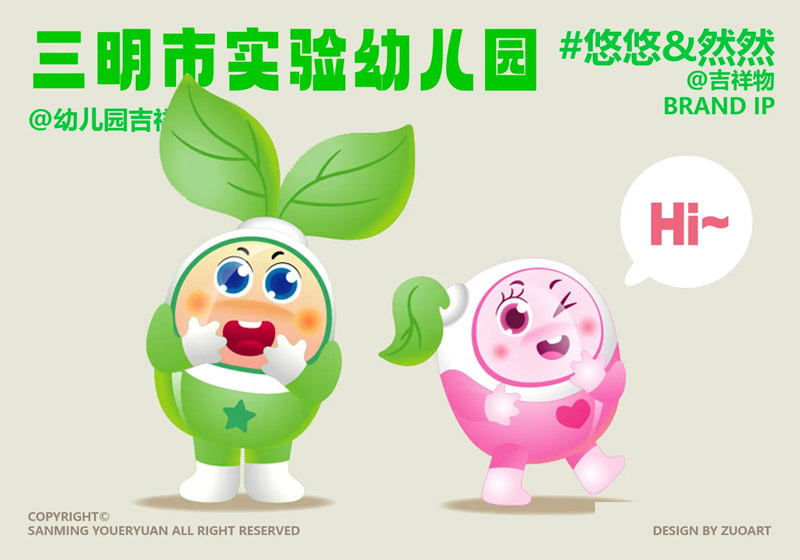
佐案设计(ZUOART)是一家专注于品牌IP化策略与设计的专业机构,成立于2019年,总部位于广州。公司致力于为品牌打造可持续运营发展的IP资产,提供从品牌策略到IP设计、IP衍生品开发、IP美陈以及文创IP产品开发等四大服务体系,使IP成为企业真正具有生命力和情感力的品牌资产。