“点睛之笔” or “Source of Failure”? Mascot Design in the “Moment of Life and Death”
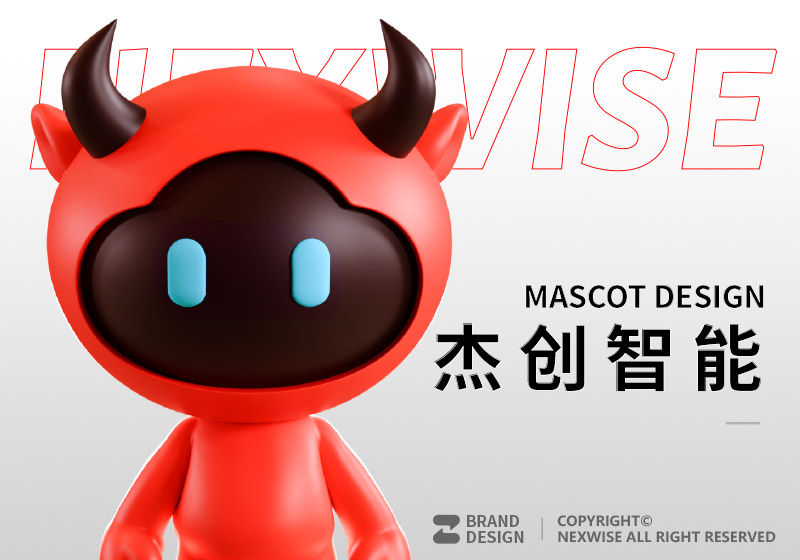
In the high-stakes arena of product launches and brand building, the choice of a mascot can indeed feel like a “moment of life and death.” The question then becomes: is it the stroke of genius that breathes life into a campaign, or the fatal flaw that dooms it from the start? This isn’t just about cute characters; it’s about strategic branding that can either propel a company forward or leave it floundering.
Many companies grapple with a common pain point: their marketing efforts, including the introduction of mascots, fail to resonate with their target audience. This disconnect often stems from a superficial understanding of the market and a lack of genuine connection with consumer aspirations. The root cause? A design process that prioritizes aesthetics over strategy, or an attempt to mimic successful mascots without understanding the underlying principles of their appeal. The result is often a mascot that feels generic, irrelevant, or even off-putting, failing to capture attention or foster brand loyalty.
The “moment of life and death” for a mascot, therefore, hinges on its ability to function as a potent brand ambassador. To address this, companies need to move beyond superficial design and engage in a deeper, more strategic approach.
Solution:
-
Deep Market Empathy: Before even sketching a design, immerse yourselves in the market. Understand the values, aspirations, and even the humor of your target demographic. What stories resonate with them? What archetypes do they connect with? A mascot born from this understanding will inherently feel more authentic and relatable.
-
Strategic Persona Development: Treat your mascot as a character with a well-defined personality, backstory, and purpose that aligns with your brand’s core message. Is it a protector, a helper, a source of joy, or a symbol of innovation? This clarity will guide the design and ensure consistent messaging across all platforms.
-
Narrative Integration: A compelling mascot isn’t just a static image; it’s part of a larger brand narrative. Develop stories, campaigns, and interactions that showcase the mascot’s personality and reinforce your brand values. This creates an emotional connection that transcends mere visual appeal.
Case Study Snippet (Illustrative):
Imagine a tech company launching a new productivity app. Their initial mascot was a sleek, robotic figure. It looked modern but evoked a sense of coldness and inaccessibility. The market pain point was that users found productivity apps intimidating.
The revised strategy involved understanding that users sought a helpful companion, not a sterile overseer. The new mascot, “Sparky,” is a whimsical, energetic creature that embodies enthusiasm and a touch of playful chaos. Sparky’s design incorporates elements of light and motion, symbolizing ideas and progress. Its narrative involves helping users overcome procrastination with encouragement and fun challenges. This shift from a sterile robot to a dynamic, relatable character transformed the app’s perception from daunting to delightful, directly addressing the market’s pain point of feeling overwhelmed.
By viewing mascot design not as an afterthought but as a critical strategic element, companies can transform a potential “source of failure” into the ultimate “点睛之笔,” forging deeper connections and driving meaningful brand success.
佐案设计(ZUOART)是一家专注于品牌IP化策略与设计的专业机构,成立于2008年,总部位于广州。公司致力于为品牌打造可持续运营发展的IP资产,提供从品牌策略到IP设计、IP衍生品开发、IP美陈以及文创IP产品开发等四大服务体系,使IP成为企业真正具有生命力和情感力的品牌资产。