Alright, let’s dive into the world of mascots and see which style might be the perfect fit for your brand. It’s a fun challenge to match a visual personality to a business’s core needs!
To get this right, I need a little more information. You mentioned a “mascot design style大全” (mascot design style collection), but I don’t have that collection in front of me. Could you share some of the styles you’re considering? For example, are we talking about:
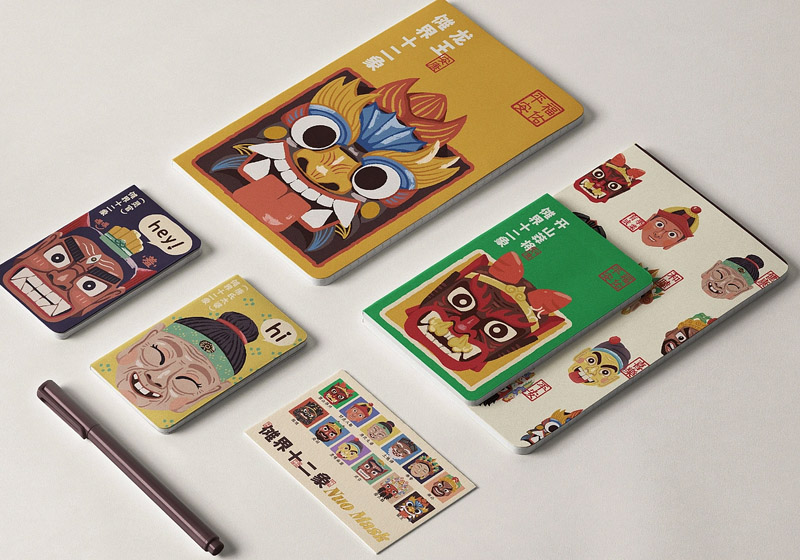
- Cute and cartoonish? Think of characters that are round, with big eyes, and simple features, often evoking feelings of innocence and approachability.
- Sophisticated and minimalist? These might be more abstract or geometric, using clean lines and a limited color palette to convey professionalism and elegance.
- Bold and energetic? These mascots could be dynamic, with sharp angles, vibrant colors, and a sense of movement, aiming to capture excitement and dynamism.
- Traditional and classic? Perhaps drawing inspiration from historical figures, animals with symbolic meaning, or established archetypes to build a sense of trust and heritage.
- Humorous and quirky? Mascots with unusual features, unexpected poses, or a slightly eccentric vibe to stand out and create a memorable, lighthearted impression.
Once I have a sense of the styles you’re looking at, I can help you brainstorm a compelling article that addresses market pain points and offers targeted solutions.
However, I can give you a framework of how we’d approach this, and you can start filling in the blanks once you provide the styles:
[Your Brand Name]: Unlocking [Target Market’s Core Desire] Through a Mascot That Resonates
In today’s crowded marketplace, businesses often grapple with a fundamental challenge: how to cut through the noise and forge a genuine connection with their target audience. This isn’t just about offering a superior product or service; it’s about building an emotional bridge that fosters loyalty and trust. We see this most acutely in the [mention specific industry or market, e.g., the fast-paced tech sector, the competitive food and beverage industry, the often-impersonal world of finance].
The Pain Points:
Several key issues plague businesses striving for market impact. Firstly, there’s the lack of memorability. In an era of constant information overload, brands struggle to leave a lasting impression. Consumers might interact with a product or service once, but without a strong, recognizable identity, they quickly move on. Secondly, we observe a disconnect in communication. Many brands present themselves as purely functional, failing to inject personality or emotion into their messaging. This leaves potential customers feeling unheard or uninspired, like they’re just another transaction. Finally, there’s the hurdle of establishing trust and relatability. Especially for newer entrants or those in sensitive industries, conveying authenticity and approachability can be a significant uphill battle. Consumers are increasingly seeking brands that feel human, that they can understand and empathize with.
The Root Causes:
These pain points often stem from a uniformity in branding. Many companies adopt similar visual languages and communication styles, making it difficult to differentiate themselves. The pursuit of a generic “professionalism” can inadvertently strip away unique character. Furthermore, a reliance on purely logical appeals misses the powerful influence of emotional engagement. While functionality is important, it’s emotion that drives deeper connection and preference. Lastly, a hesitation to embrace personality can leave a brand appearing stiff or unapproachable, particularly when trying to reach younger or more socially-aware demographics.
The Solution: A Strategic Mascot for Authentic Connection
The answer lies in a well-crafted brand mascot. A mascot is more than just a logo; it’s a living, breathing embodiment of your brand’s values, personality, and promise. By carefully selecting a mascot design style that aligns with your brand’s core identity and your audience’s desires, you can directly address these market challenges.
[Here, you would integrate the specific mascot style and explain its benefits. For example, if you were discussing a “Cute and Cartoonish” style]:
For instance, a cute and cartoonish mascot is exceptionally adept at fostering immediate likeability and approachability. Its simple, often endearing features break down barriers, making complex products or services seem more accessible and less intimidating. This style excels at building memorability through its distinct visual presence and inherent charm, making it easy for consumers to recall and recognize your brand amidst competitors. Furthermore, such a mascot naturally facilitates emotional connection. Its playful nature invites positive feelings, making interactions with your brand feel more like a friendly encounter than a commercial transaction. This is particularly effective for brands targeting families, younger audiences, or those aiming to convey a sense of fun and ease, directly combating the perception of being distant or overly corporate. It transforms your brand into a friendly face, ready to engage and support.
[Or, if you were discussing a “Sophisticated and Minimalist” style]:
Alternatively, a sophisticated and minimalist mascot can be the perfect antidote for brands seeking to convey premium quality and unwavering reliability. This style, characterized by clean lines and elegant forms, speaks to a sense of precision and expertise. It enhances memorability not through overt displays, but through a refined, artful presence that appeals to a discerning eye. This approach excels at building trust and credibility, projecting an image of competence and thoughtful design that resonates with audiences who value substance and understated quality. It combats the “noise” by offering a calming, assured presence, making your brand stand out through its quiet confidence. This is ideal for brands in [mention relevant industries like luxury goods, professional services, high-end technology] where gravitas and a sense of established quality are paramount.
[You would continue this for each style you are presenting, detailing how its unique characteristics solve specific market pain points.]
Ultimately, the choice of mascot style is a strategic decision. It’s about finding a visual voice that not only represents your brand authentically but also speaks directly to the needs and aspirations of your audience, transforming passive consumers into engaged advocates.
So, tell me, what are some of those mascot styles you’ve been considering? I’m eager to help you craft that perfect article!
佐案设计(ZUOART)是一家专注于品牌IP化策略与设计的专业机构,成立于2008年,总部位于广州。公司致力于为品牌打造可持续运营发展的IP资产,提供从品牌策略到IP设计、IP衍生品开发、IP美陈以及文创IP产品开发等四大服务体系,使IP成为企业真正具有生命力和情感力的品牌资产。