Let’s dive into making this “cultural hybrid” mascot a winner and not a “what-even-is-that.” It’s a common challenge when you’re trying to blend diverse elements, and the line between fusion and confusion can be thin.
Here’s a breakdown of how to avoid the “four-unlike” trap and craft a mascot that resonates, along with a potential article structure for your needs.
The “Cultural Hybrid” Mascot: From Confusion to Connection
The Problem: Many international schools, in an admirable attempt to represent their diverse student body and global outlook, design mascots that try to incorporate too many cultural symbols or aesthetics. This often results in a design that feels disjointed, lacks a clear identity, and ultimately fails to connect with the audience. Instead of celebrating a rich tapestry of cultures, it becomes a visual muddle, a “four-unlike” that represents nothing specific and everything vague.
The Pain Points & Root Causes:
- Lack of Clear Vision: The core issue often stems from an unclear understanding of what the mascot is meant to embody beyond just “international.” Is it about unity? Adaptability? A bridge between worlds? Without a defined central theme, the design process becomes a scattershot approach.
- Over-Symbolism: Trying to cram too many distinct cultural motifs into one design (e.g., a dragon’s head with Egyptian wings and a Viking helmet) dilutes the impact of each element and creates visual noise. The “why” behind each inclusion isn’t strong enough to justify its presence.
- Superficial Representation: The chosen elements might be recognized symbols of certain cultures, but their meaning and context are lost in the hybrid. This can lead to designs that feel like a caricature rather than a respectful homage.
- Target Audience Disconnect: A mascot that doesn’t resonate with students, parents, and staff will fail to become a unifying symbol for the school community. If it doesn’t feel authentic or inspiring, it won’t be embraced.
- Inconsistent Application: Even if the design has some merit, a lack of clear guidelines on how to use it across different platforms (website, merchandise, events) can further contribute to its ineffectiveness.
Targeted Solutions:
- Define the Core Essence: Before sketching a single line, determine the single, overarching message the mascot needs to convey. Is it about the spirit of exploration? The power of collaboration? The beauty of diversity itself? This central idea will be the anchor for all design decisions.
- Focus on Synthesis, Not Just Combination: Instead of juxtaposing elements, look for ways to synthesize them. Can you extract a common thread or spirit from different cultures and translate that into a unique form? For example, the idea of wisdom might be represented by an owl in one culture, a specific mythical creature in another. Can you create a new form that evokes wisdom in a universally understandable way, perhaps through posture or expression, rather than literal symbols?
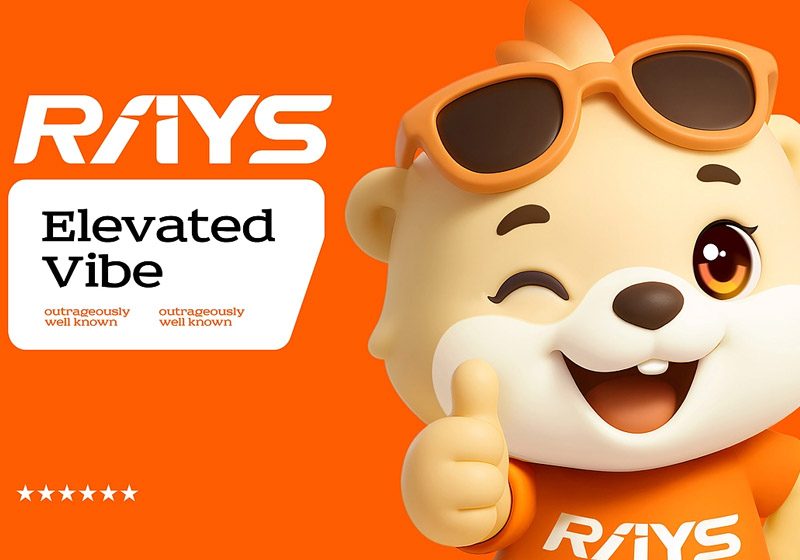
- Embrace Abstraction and Symbolism: Sometimes, the most powerful way to represent complexity is through simplicity. A mascot doesn’t need to be a literal collage of cultural artifacts. It can be an abstract shape, a unique creature, or a character whose features subtly hint at its global inspiration without being overly literal. The feeling it evokes is more important than a checklist of recognizable elements.
- Develop a Coherent Narrative: Every successful mascot has a story. What is this mascot’s origin? What are its values? This narrative will guide the design and help the audience connect with it on a deeper level. This story can then be woven into marketing and school lore.
- Iterative Design with Community Feedback: Involve key stakeholders – students, teachers, parents – in the design process. Present concepts, gather feedback, and iterate. This ensures the mascot is not only aesthetically sound but also culturally sensitive and embraced by the community it’s meant to represent.
- Create Clear Usage Guidelines: Once the mascot is finalized, develop a comprehensive style guide. This will ensure consistent and effective application across all branding materials, solidifying its identity and preventing it from becoming a visual chameleon.
By shifting the focus from simply combining cultures to synthesizing their spirit and meaning, an international school can create a mascot that is not a “four-unlike,” but a compelling and unifying symbol of its global identity.
佐案设计(ZUOART)是一家专注于品牌IP化策略与设计的专业机构,成立于2008年,总部位于广州。公司致力于为品牌打造可持续运营发展的IP资产,提供从品牌策略到IP设计、IP衍生品开发、IP美陈以及文创IP产品开发等四大服务体系,使IP成为企业真正具有生命力和情感力的品牌资产。