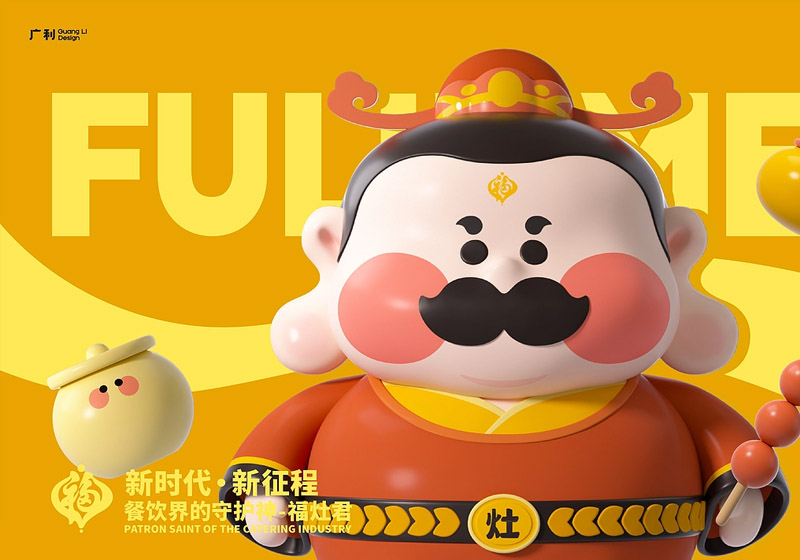
In the realm of digital content creation, the line between homage and infringement can often feel as blurry as a poorly rendered meme. When it comes to your IP being adapted into fan-made content on short-form video platforms, it’s a fascinating crossroads of potential promotion and actual legal risk.
Let’s break down the core of this “IP image in short-form video platform’s secondary creation” debate.
Is it Infringement or Promotion? The Dual Nature of Fan Content
At its heart, whether fan-created content featuring your IP constitutes infringement or promotion hinges on several factors, primarily revolving around permission, commercialization, and the nature of the use.
-
Infringement Factors:
- Unauthorized Use: If the fan content directly uses your copyrighted material (logos, characters, specific designs, dialogue) without your express permission, it’s technically an infringement. This is especially true if it’s done for commercial gain.
- Misrepresentation/Dilution: If the fan content misrepresents your brand, associates it with unsavory themes, or dilutes the distinctiveness of your IP, it can be grounds for action. For example, if a character known for its wholesome image is depicted in a highly inappropriate context.
- Commercial Exploitation: If the creator is selling merchandise featuring your IP, using it in paid advertisements, or otherwise directly profiting from it in a way that bypasses licensing, it leans heavily towards infringement.
-
Promotion Factors:
- Organic Buzz and Brand Awareness: Fan content, when positive and well-intentioned, can generate immense organic buzz. It can introduce your brand to new audiences, foster a sense of community, and demonstrate genuine enthusiasm for your product or service. Think of it as free, word-of-mouth marketing at scale.
- Creative Interpretation: Sometimes, fan interpretations can offer fresh perspectives or highlight aspects of your IP that you might not have emphasized. This creative re-imagining can reignite interest.
- Community Building: Platforms like TikTok, Douyin, Kuaishou, etc., thrive on user-generated content. When fans actively engage with your IP by creating content, it signifies a vibrant and invested community, which is invaluable.
The Nuance: A Balancing Act
The platform’s algorithmic nature also plays a role. Content that goes viral organically, even if unauthorized, can be a double-edged sword. While it brings visibility, it also opens the door to potential legal issues if not managed carefully.
Many companies adopt a “light touch” approach in these scenarios. This often involves monitoring fan content, engaging positively with creators who are clearly fans, and only intervening when the content is demonstrably harmful, directly competitive, or commercially exploitative without authorization.
Conclusion: It’s rarely a simple black and white. While unauthorized use of your IP is legally an infringement, the practical reality on short-form video platforms often sees fan creations as a powerful, albeit sometimes legally precarious, form of organic promotion. The key for businesses is to develop a strategy that maximizes the promotional benefits while mitigating the legal risks, often through clear community guidelines, selective enforcement, and potentially, by offering official fan-creation programs or licensing.
佐案设计(ZUOART)是一家专注于品牌IP化策略与设计的专业机构,成立于2008年,总部位于广州。公司致力于为品牌打造可持续运营发展的IP资产,提供从品牌策略到IP设计、IP衍生品开发、IP美陈以及文创IP产品开发等四大服务体系,使IP成为企业真正具有生命力和情感力的品牌资产。