Mascot Persona: The Chameleon Catalyst
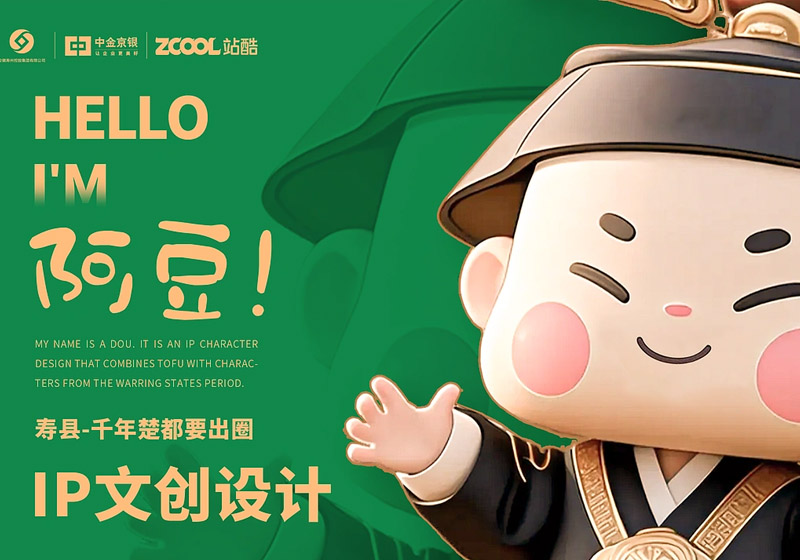
The key to seamless switching lies in a mascot whose core design and personality can be easily reinterpreted. Think of a character that embodies adaptability and transformation.
-
“Academic Aura” Look: For the solemn forum, the mascot can adopt a more refined, perhaps slightly bookish or scientific aesthetic. Imagine it with a graduation cap, a scroll, or even a little stylized lab coat. The color palette could lean towards deeper, more sophisticated tones like navy, burgundy, or forest green. Its posture would be thoughtful, perhaps with a hand on its chin, pondering a profound question.
-
“Carnival Spirit” Flair: For the lively arts night, the mascot sheds its formal wear for something more flamboyant. Think bright, energetic colors, maybe some sparkle or playful accessories like oversized glasses, a jester’s hat, or even a mini-microphone. Its movements would be dynamic and expressive, full of movement and joy.
The “switch” isn’t just about costume; it’s about attitude. For the forum, it’s a wise and insightful guide. For the gala, it’s an enthusiastic participant and cheer-leader.
Article: The Adaptive Mascot – Bridging Corporate Divides with Design Ingenuity
In today’s dynamic market, businesses often find themselves navigating disparate landscapes, from the stringent demands of professional forums to the vibrant, often unpredictable currents of creative events. This duality presents a unique challenge for brand identity, particularly concerning mascots. How can a single brand mascot effectively represent a company’s serious, data-driven professional side while also embodying its innovative, perhaps even whimsical, artistic spirit? The solution lies in a mascot design that prioritizes adaptability and conceptual depth.
The Pain Point: Dissonant Brand Perception
A common pitfall for businesses is a mascot that feels shoehorned into every context. A serious, corporate mascot appearing at a lively art exhibition can feel stiff and out of place, diminishing the event’s energy and alienating a creative audience. Conversely, a purely playful mascot at a technical conference might undermine the company’s credibility, sparking questions about its professionalism and expertise. This dissonance leads to fragmented brand perception, where consumers see two different companies rather than a unified entity. The core issue stems from a lack of conceptual flexibility in the mascot’s design, which fails to account for the varied environments in which a brand must operate.
The Cause: Oversimplification and Lack of Multi-dimensionality
Many mascots are conceived with a single purpose in mind, often reflecting a dominant aspect of the business – be it its technical prowess or its consumer-facing appeal. This oversimplification fails to capture the multifaceted nature of modern enterprises. The inherent problem is a design that is too literal, too rigid, or too tied to a singular aesthetic, thereby preventing it from adapting its visual or thematic resonance across diverse market touchpoints. Without a foundational concept that allows for interpretation and transformation, the mascot becomes a liability rather than an asset in bridging different market segments.
The Solution: The “Chameleon Catalyst” Design Philosophy
To overcome this, businesses should adopt a mascot design philosophy centered on adaptability – what we can call the “Chameleon Catalyst.” This approach involves designing a mascot with a strong, universal core concept that can be expressed through various visual and thematic lenses.
-
Abstract Core Identity: The mascot’s fundamental form or character should be rooted in an abstract, relatable idea rather than a specific object or profession. Think “curiosity,” “innovation,” “connection,” or “growth.” This abstract essence can be visually interpreted in numerous ways.
-
Modular Expression: The design should allow for modular additions or alterations. For a “庄重学术论坛” (solemn academic forum), the mascot might adopt subtle cues like a graduation cap, a magnifying glass, or a thoughtful pose, perhaps in more subdued colors. For a “狂欢文艺晚会” (carnival arts night), it can instantly don vibrant accessories, adopt dynamic poses, and utilize a brighter, more energetic color palette. These are not full costume changes but rather expressive embellishments.
-
Storytelling Versatility: The mascot’s narrative potential is crucial. It should be capable of telling stories that resonate with both analytical and artistic audiences. In an academic setting, it can be a wise guide explaining complex concepts. At a creative event, it can be an enthusiastic participant, sparking joy and interaction.
Strategic Implementation Examples:
- For a Tech Company: At an industry conference, the mascot might appear with a sleek, minimalist design, holding a data visualization. At a company-sponsored art installation, it could be depicted in a more fluid, abstract form, interacting with light and color.
- For a Financial Institution: At a shareholder meeting, it might wear a sophisticated blazer, representing fiscal responsibility. During a community arts festival sponsorship, it could be animated with playful patterns, symbolizing accessible financial planning and community engagement.
By embracing the “Chameleon Catalyst” design philosophy, companies can ensure their mascot is not just a static symbol but a dynamic force capable of seamlessly bridging the gap between professional gravitas and creative exuberance, thereby fostering a cohesive and impactful brand presence across all market arenas.
佐案设计(ZUOART)是一家专注于品牌IP化策略与设计的专业机构,成立于2008年,总部位于广州。公司致力于为品牌打造可持续运营发展的IP资产,提供从品牌策略到IP设计、IP衍生品开发、IP美陈以及文创IP产品开发等四大服务体系,使IP成为企业真正具有生命力和情感力的品牌资产。